
Placement readiness for universities,
measured.
ResumeGrade gives training & placement cells a defensible, rubric-based score for every student resume, across 1,000+ students, graded in the time it takes to review one by hand.
 Product Hunt
 G2
G2 Startup Fame
A TPO reviews 3,000 resumes before drive season.
Most get a 90-second glance. Feedback is inconsistent across faculty reviewers. Weak resumes reach recruiters first. Strong students get missed. Placement rates suffer. The placement office carries the blame.
Three steps. One afternoon. One thousand students.
Upload the cohort
Bulk upload via CSV, Drive, or your existing placement portal. Works with Superset, Zoho Recruit, and your TPO software.
Grade against your rubric
Start from the ResumeGrade default (built on Harvard Career Services principles) or upload your own. Weight six axes per cohort or per JD.
Return with receipts
Each student gets a 0 to 100 score, score band badge, and 8 to 14 specific edits. No vague tips. Audit log for every mark.
Six dimensions. One score. No black box.
Every student score breaks down into the same six dimensions. When you defend a decision in front of management, or when a student asks why they read 51, the answer is on the page.
Built on the principles placement teams already trust.
The rubric is anchored in the same heuristics Harvard Career Services and top campus recruiters use to triage at scale. We publish the weighting, the dimension definitions, and the scoring model. When a principal asks “why did this score 58 and that 71,” there is a paper trail, not a vibe.
“Standardise → Align → Prove readiness. Every step is documented, every decision auditable. That is the difference between a tool you trust with NAAC and a tool you trust with a screenshot.”
— RG Methodology, v3.2
See the difference the rubric makes.
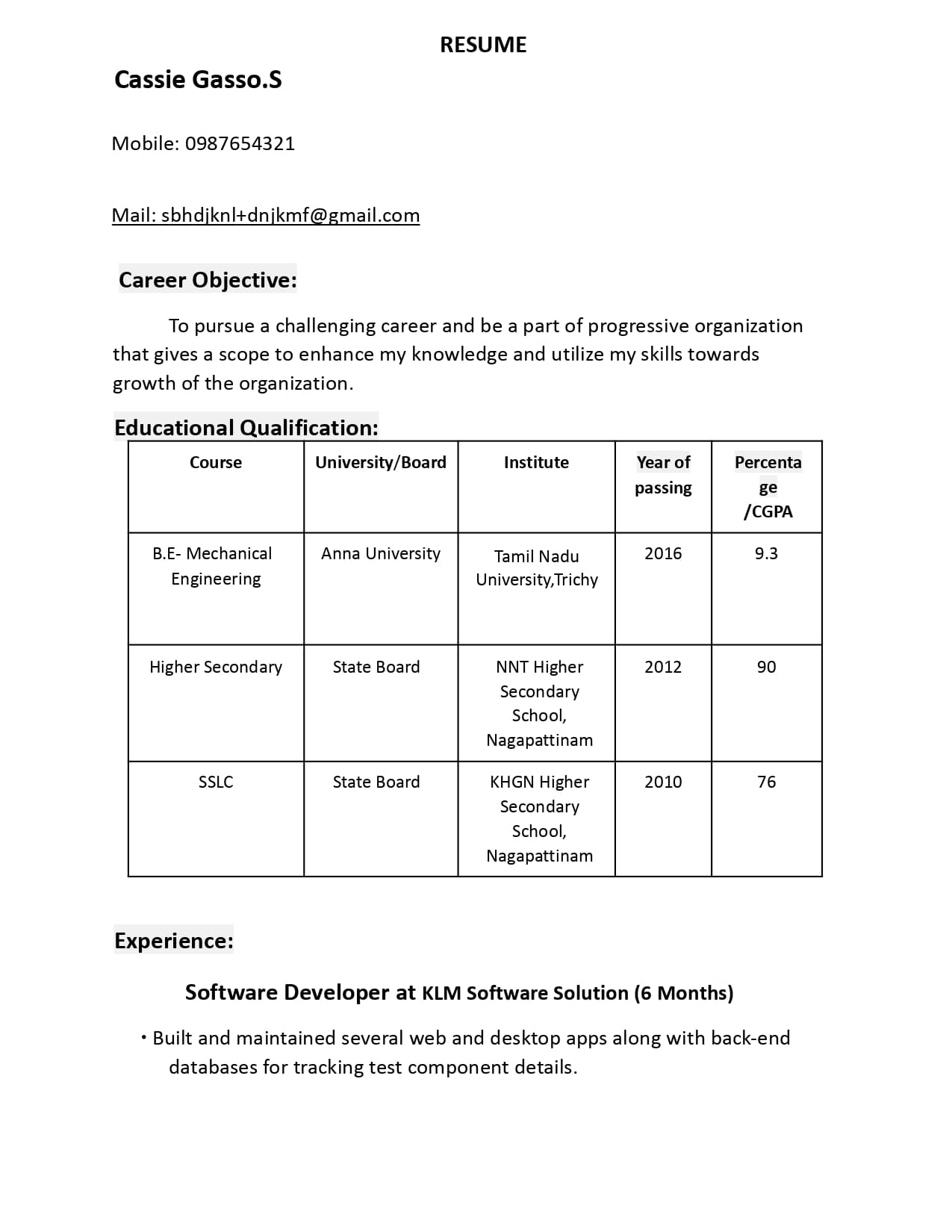
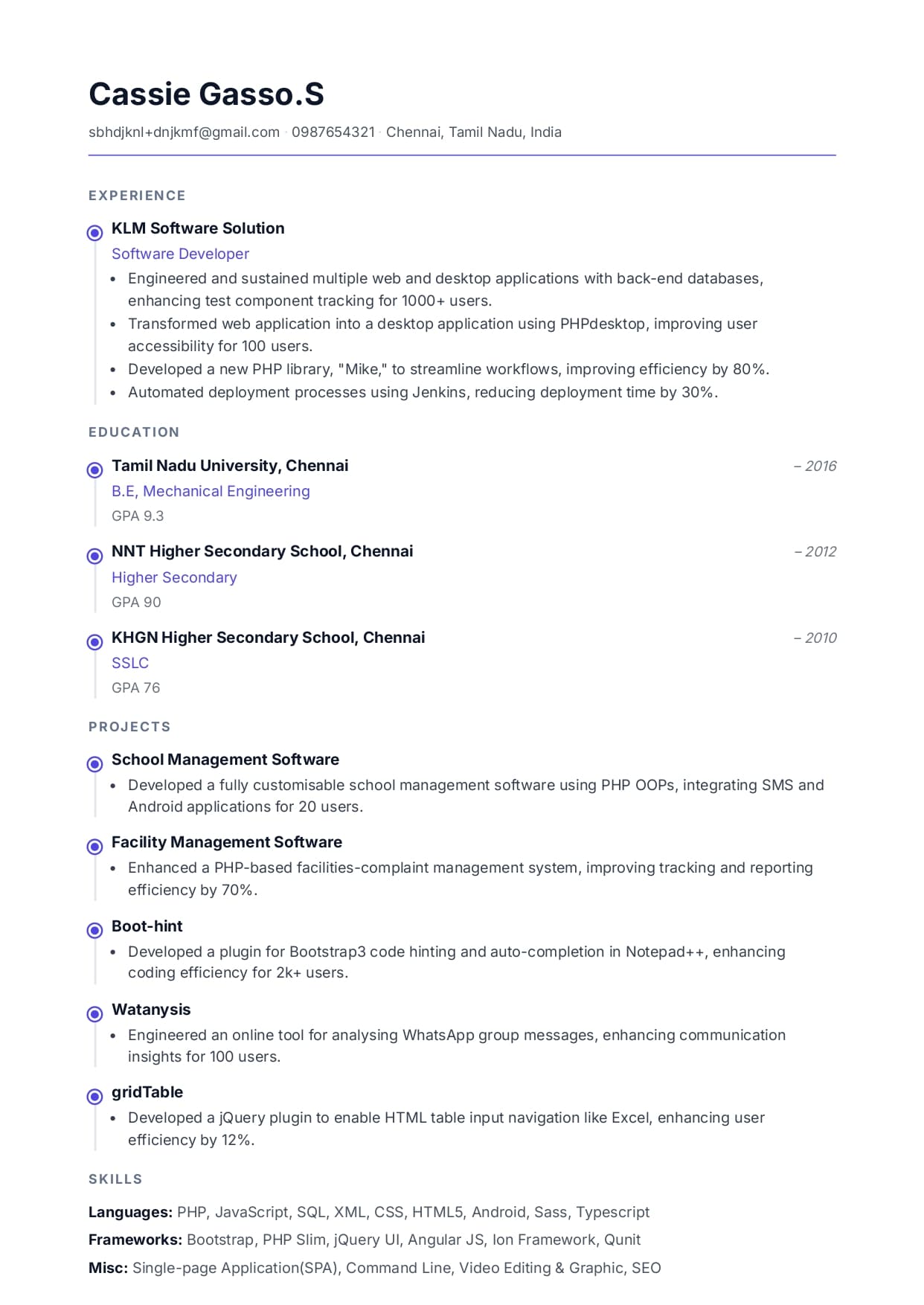
Drag the divider to compare.
Everything placement teams need to manage resume quality at scale
Built for Placement Teams, Not Just Students
Everything placement leadership needs to turn prep into a managed system. Roadmap items scale with your rollout.
Dashboard for placement officers
Track student uploads, scores, and batch progress, and see who needs support early.
Batch analytics
Average scores by batch, department, or intake, and compare terms over time.
Standardisation
One quality bar across departments so advising and training stay aligned.
Bulk analysis
Review many files without opening each resume manually, at scale for large batches.
Progress tracking
Score improvement over time as students iterate before placement season.
Institutional rollout
From pilot to campus wide tiers, built for governance and procurement conversations.
Advisor & student nudges
Email style prompts when drafts stall or scores drop, without manual chasing.
Exports & reporting
CSV and summary views for leadership reviews, accreditation, and partner updates.
No more spreadsheets. No more guessing in October.
Batch Scores. Gap Flags. Early Enough to Act.
See batch level signals and student level actions in one place, so leadership can steer prep before placement season peaks.
Identify which students are ready, and who needs support, instantly.
Batch scorecards
Track average scores, batch trends, and who still needs support, without opening hundreds of PDFs by hand.
Average readiness score
Rolling batch view: compare departments or intakes at a glance.
JD alignment coverage
Share of students who matched a target role before applying.
From score to action
Scores tie to line level feedback and a ranked action list, so students know what to fix next, and advisors can intervene early.
Top actions
Done: Quantify impact
3 bullets flagged
Batch trends
Resume quality and shortlisting readiness rise together: compare batches and terms on one view.
Scoring + JD fabric
0 to 100 rubric, line feedback, and JD match live in one workflow, with no brittle handoffs between tools.
Human-in-the-loop
Advisors add reviews and nudges where it matters, without rereading every draft line by line.
Students who follow structured resume systems and tailor materials to specific roles are typically better positioned to pass first round screening. The exact lift depends on your batch and labour market.
Frequently asked questions
See Batch Readiness Before the First Drive
Book a walkthrough or start a pilot. We'll align to your academic calendar.